





Is Gaming a Career?
People have been dreaming of turning their hobbies into their full-time job since the dawn of time. Gaming is not just seen as a hobby anymore, as gaming is now being considered as a career option and is becoming a part of wider societal discussions around combating stress, skill development, and social interactions.
This entertainment form is becoming an increasingly popular career choice, with lots of technical and creative roles available
Game developers employ thousands of people, so do esports tournament companies and esports teams. Yes, learning to code, design or test is hard work and will take a long time, but it’s also a highly in-demand and well-paid career option for those who master the skills involved.
To get started, you’ll need to decide what type of game industry job you’re interested in.
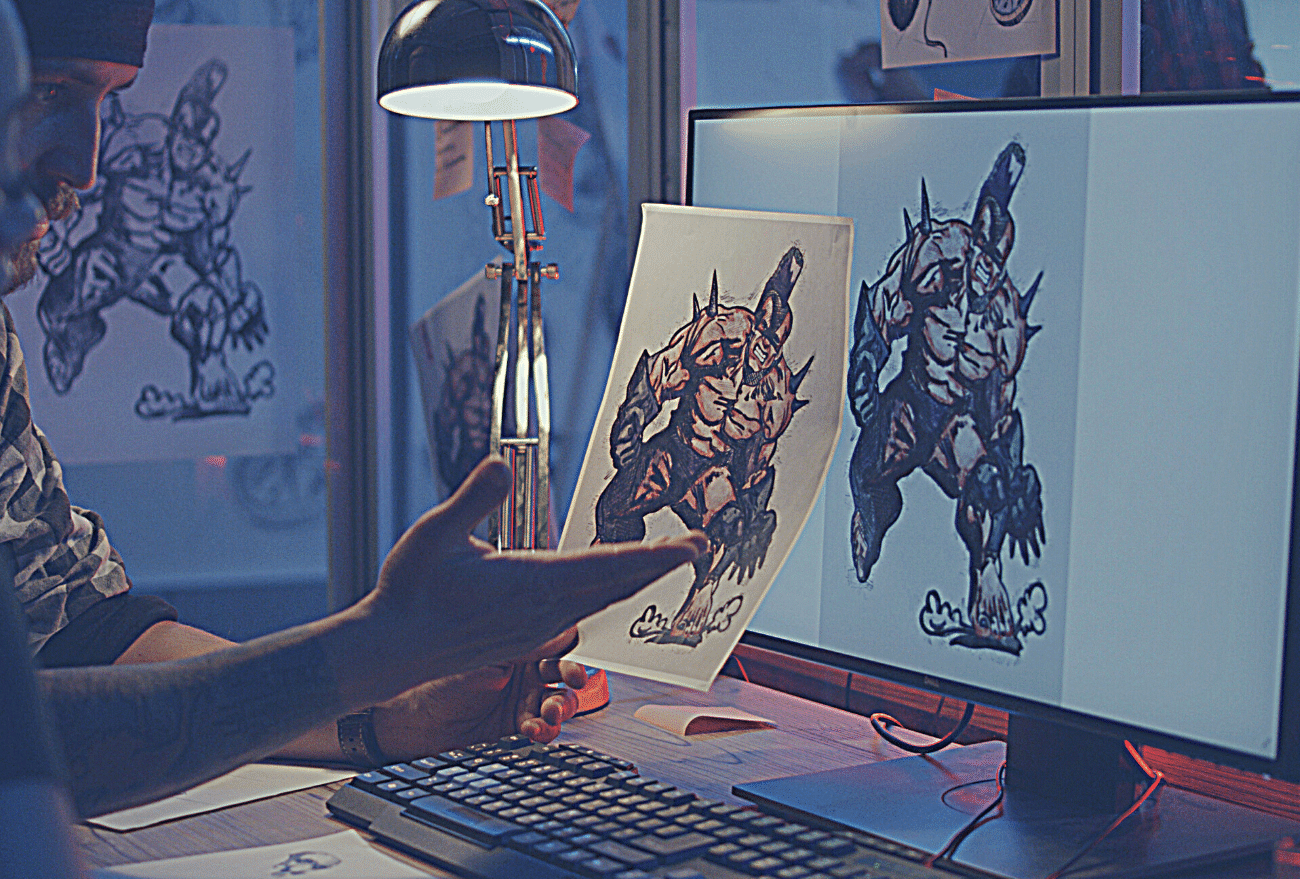
- Game artist – Your job is to create concept art, storyboards, and designs for packaging and marketing materials. You’ll need technical ability to master specialist software packages and tools such as ZBrush, Maya, Photoshop, 3DS Max, Substance Painter and Mudbox.
- Game designer – A senior role that involves coming up with original ideas for games and overseeing the creative process. Game design requires a mix of technical and creative skills to develop and test your creations as you may need to work with a range of programming languages and software packages including C#, C++ and Python.
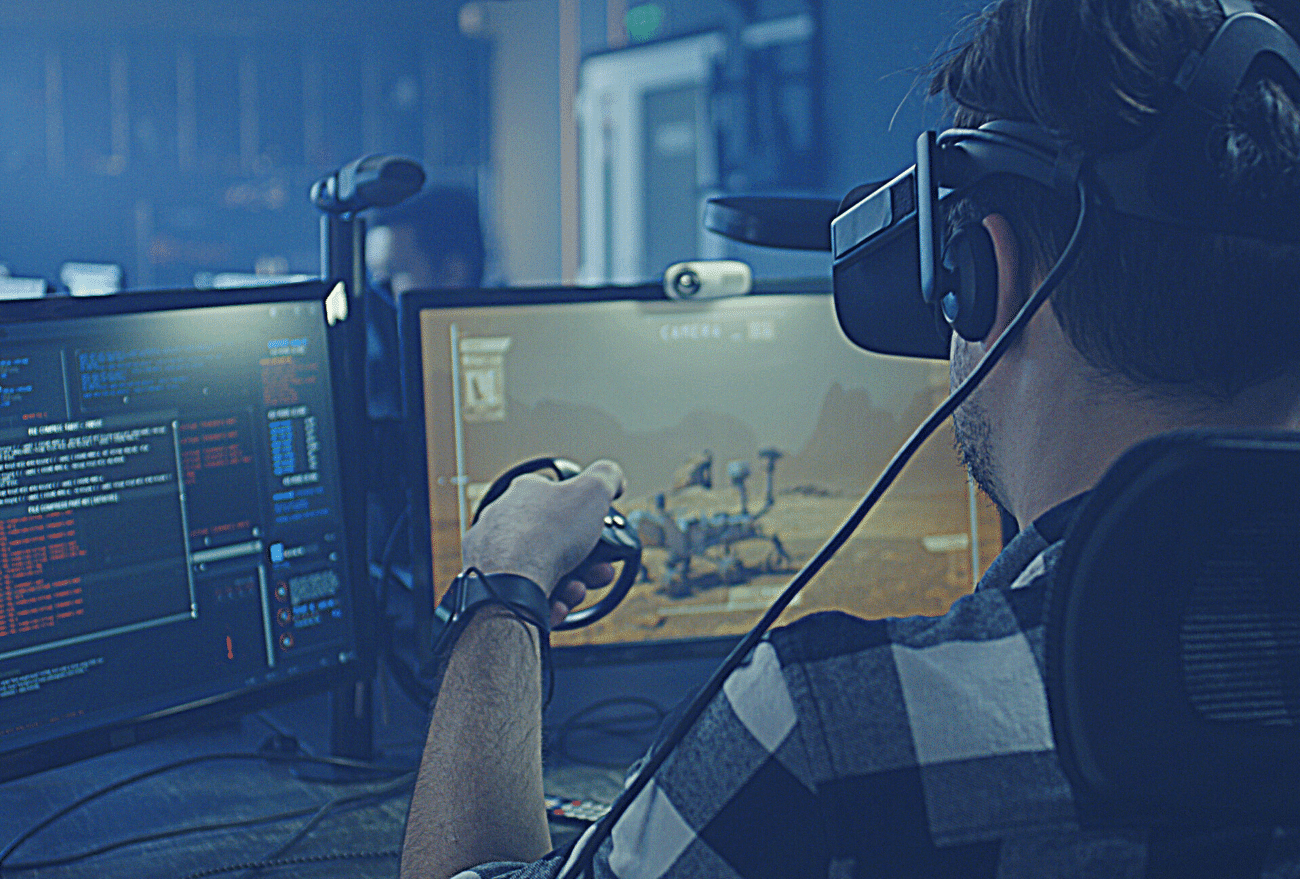
- Game developer/Game programmer – You’re responsible for taking the ideas of the designers and writing the code required to build a playable game. It’s vital that you’re able to understand and follow instructions to bring the creative vision to life. You could focus on an area of programming such as AI, audio, controls and interface, game physics or 3D engine development.
Other creative and technical specialists
- Animator – Collaborating with teams of artists, designers and programmers, you’ll be responsible for animating the characters and other elements of the in-game environment in a way that matches the overall visual style. You’ll require artistic ability and knowledge of technical computer packages such as Maya and 3DS Max.
- Audio engineer – Music, sound effects and character voices all play a key role in immersing players in the game world. A technical understanding of audio recording equipment and software is essential.
- IT technical support officer – Technical support officers link video game publishers to their audience. You’ll be the point of contact for gamers who have issues with the product.
- QA tester – Software testers, or quality assurance (QA) testers, ensure that the product is ready for release. You’ll need to be able to work methodically, concentrate for long periods and have a great attention to detail.
Non-technical roles
If you want to work in the video game industry but aren’t interested in technical there are still lots of options.
- Game producer – As well as overseeing the game’s development, you’ll also be responsible for project management from a business and financial perspective.
- Translator – To localise scripts, in-game text and documentation for sale in international markets.
- Writer – To write scripts, in-game text and instruction manuals. While sometimes known as a narrative designer, you won’t typically be heavily involved in the game design process, but will be tasked with creating a story, adding depth to the characters and working within the overall game design structure.
When the game is finished and ready to be sold to consumers, publishers need people with skills in marketing, advertising and PR as well as sales.
Another alternative – if you’re an incredibly skilled player – is to explore the possibility of becoming a professional gamer. The eSports scene continues to grow in popularity, as well as in terms of the money that can be earned.